

Exploring the Benefits of Mindfulness Meditation for Stress Relief

Stress affects millions of people worldwide, often leading to physical and mental health issues. Finding effective ways to manage stress is essential for maintaining overall well-being. Mindfulness meditation has gained popularity as a practical and accessible method to reduce stress and improve mental clarity. This post explores how mindfulness meditation works, its benefits, and how you can start practicing it to experience stress relief.
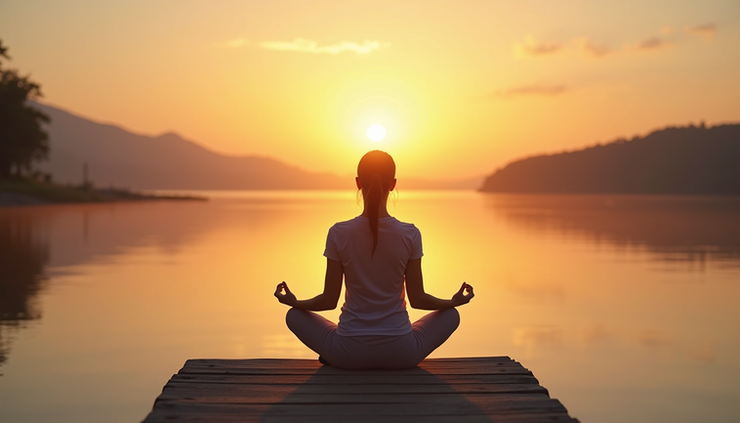
What Is Mindfulness Meditation?
Mindfulness meditation involves paying close attention to the present moment without judgment. Instead of letting your mind wander to past worries or future concerns, you focus on your breath, bodily sensations, or sounds around you. This practice helps you become aware of your thoughts and feelings in a calm and accepting way.
Unlike other forms of meditation that may require specific beliefs or rituals, mindfulness meditation is simple and can be adapted to fit any lifestyle. You can practice it anywhere, from a quiet room to a busy park.
How Mindfulness Meditation Reduces Stress
Stress often arises when your mind gets caught up in negative thoughts or overwhelming emotions. Mindfulness meditation interrupts this cycle by:
Increasing awareness of stress triggers and physical reactions
Encouraging acceptance of difficult emotions instead of fighting them
Promoting relaxation through focused breathing and body awareness
Improving emotional regulation by creating space between stimulus and response
Research shows that regular mindfulness practice lowers levels of cortisol, the hormone linked to stress. It also reduces activity in the brain’s amygdala, which controls the fight-or-flight response. This means your body reacts less intensely to stressors over time.
Benefits Beyond Stress Relief
While stress reduction is a primary benefit, mindfulness meditation offers several other advantages:
Better focus and concentration: Training your mind to stay present improves attention span.
Improved sleep quality: Relaxation techniques help calm the mind before bedtime.
Enhanced emotional resilience: You become less reactive to negative events.
Lower blood pressure: Relaxation can reduce strain on the cardiovascular system.
Greater self-awareness: Understanding your thoughts and feelings leads to healthier choices.
These benefits contribute to overall mental and physical health, making mindfulness a valuable tool for daily life.
How to Start Practicing Mindfulness Meditation
Starting mindfulness meditation does not require special equipment or a lot of time. Here are some simple steps to begin:
Find a quiet space where you won’t be disturbed for 5 to 10 minutes.
Sit comfortably with your back straight but relaxed. You can sit on a chair or cross-legged on the floor.
Close your eyes or keep a soft gaze on a fixed point.
Focus on your breath. Notice the sensation of air entering and leaving your nostrils or the rise and fall of your chest.
When your mind wanders, gently bring your attention back to your breath without judgment.
Practice daily, gradually increasing the time as you feel comfortable.
Apps and guided meditation recordings can help beginners stay on track and learn different techniques.
Practical Tips for Maintaining a Mindfulness Routine
Consistency is key to experiencing the full benefits of mindfulness meditation. Here are some tips to help you maintain a regular practice:
Set a specific time each day, such as morning or before bed.
Create a dedicated space that feels calm and inviting.
Start small with just a few minutes and build up gradually.
Use reminders on your phone or calendar to stay accountable.
Be patient with yourself; mindfulness is a skill that improves over time.
Remember, the goal is not to empty your mind but to observe your thoughts without getting caught up in them.
Real-Life Examples of Mindfulness for Stress Relief
Many people have found mindfulness meditation helpful in managing stress from work, family, or health challenges. For example:
A teacher dealing with classroom pressures used daily mindfulness breaks to stay calm and focused, reducing burnout.
A parent coping with anxiety found that mindful breathing helped during tense moments with children.
An office worker improved sleep and lowered headaches by practicing mindfulness before bedtime.
These examples show how mindfulness can fit into different lifestyles and provide practical relief.
When to Seek Professional Help
Mindfulness meditation can be a powerful tool, but it is not a substitute for professional care when needed. If stress leads to severe anxiety, depression, or physical symptoms, consult a healthcare provider. Mindfulness can complement therapy or medical treatment but should not replace it.
Mindfulness meditation offers a straightforward way to reduce stress and improve well-being. By focusing on the present moment and accepting your experiences without judgment, you can build resilience and calm your mind. Starting with just a few minutes a day can make a noticeable difference. Try incorporating mindfulness into your routine and observe how it supports your mental and physical health over time.


Comments